Day 1
Practical
The tools are in your hands from the first hour. Targets, scan tools and the manufacturer procedures, with you running every calibration yourself and one of our technicians right beside you.
Invest in yourself
Every modern car is packed with cameras and radar, and every one of them needs calibrating. The work is everywhere and the money is real. Learn how we do it in two days, on real cars, walk out an accredited UCG partner, and start earning from a skill the whole industry needs.Learn how we do it in two days, and start earning from a skill the whole industry needs.
The first group is small. Join the waitlist to be first in line for dates, venue and price.
Day 1
The tools are in your hands from the first hour. Targets, scan tools and the manufacturer procedures, with you running every calibration yourself and one of our technicians right beside you.
Day 2
Real cars, real faults, a real workshop. The paid jobs that come in every week: new windscreens, bumper repairs, warning lights. By the end of the day you’ve done the job from first look to final report.
After
You walk out an accredited UCG partner, ready to earn. Not just trained, but backed by the team that calibrates cars across London every week.
Not theory from a textbook. The exact methods we use on customers’ cars every week, taught by the technicians who use them. Our equipment, our workshop, your hands on every car.
This board is an illustration of the kind of topics covered, not the final syllabus. The full course content goes to the waitlist.
What each camera and radar does, and why it drifts.
Tyres, ride height and alignment, checked first.
Targets set to the manufacturer’s procedure, then verified.
Road drives, and what the scan tool needs to see.
Fault codes, live data and finding the real problem.
Before and after readings in a clear report.
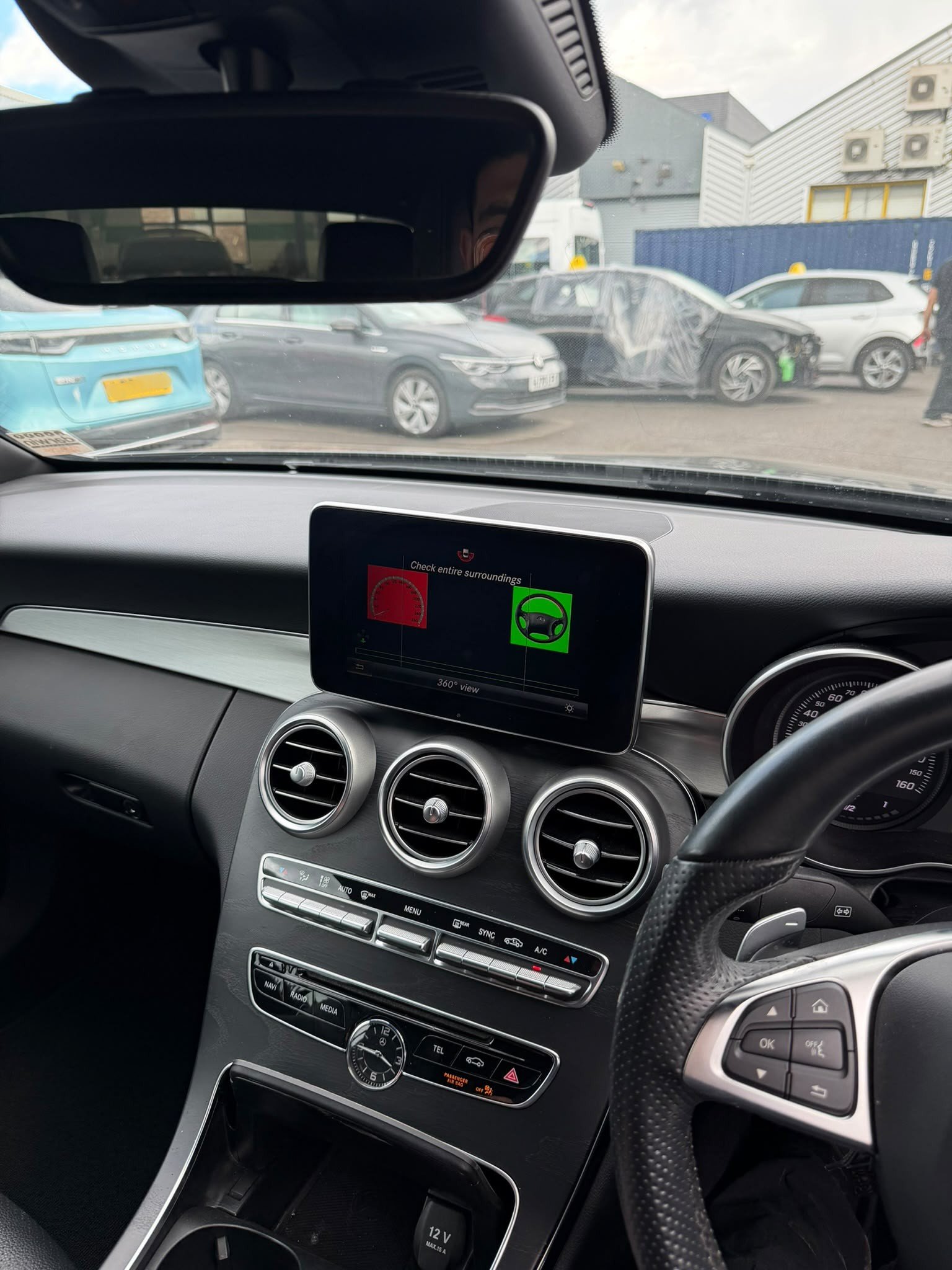
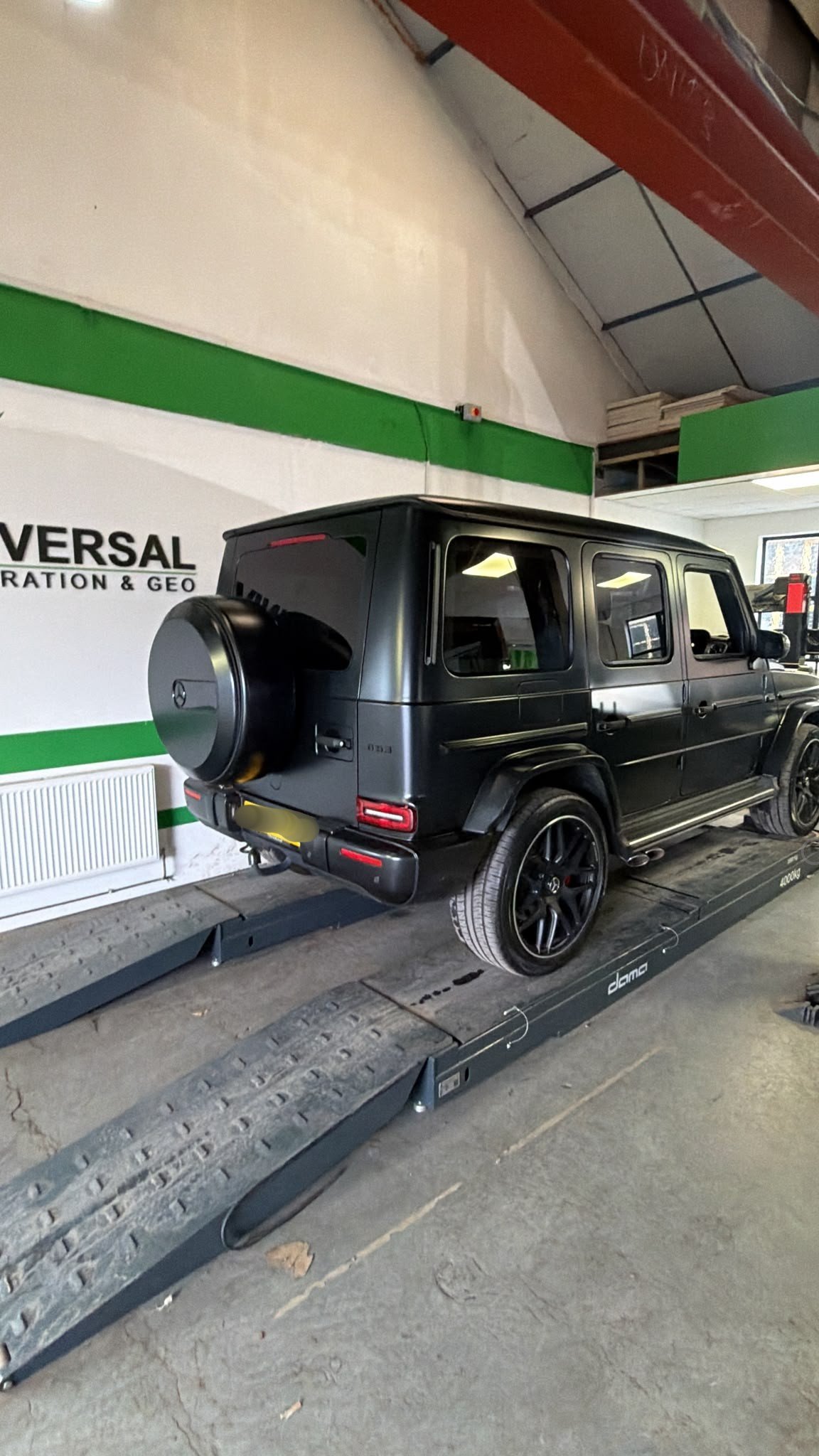
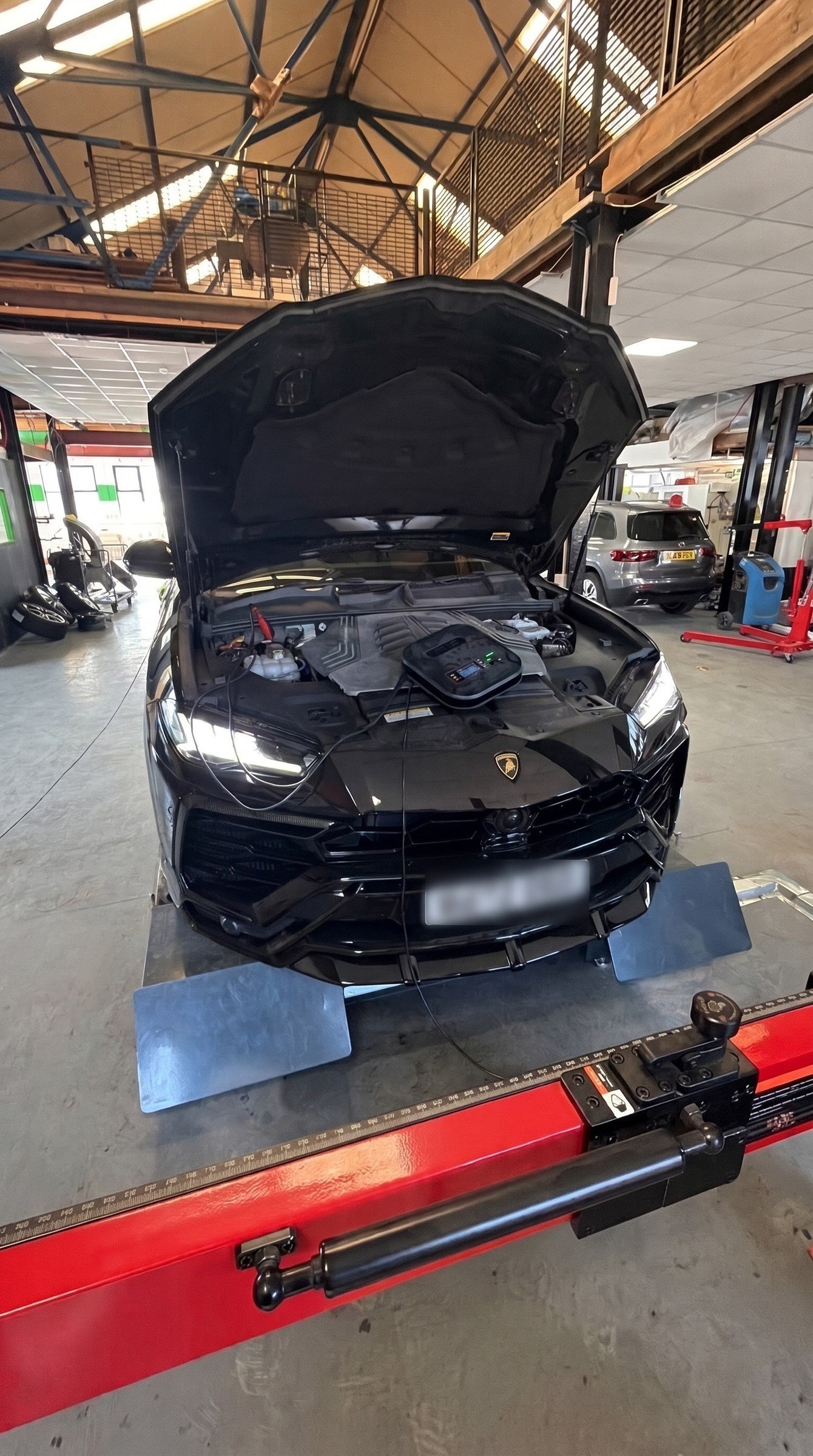
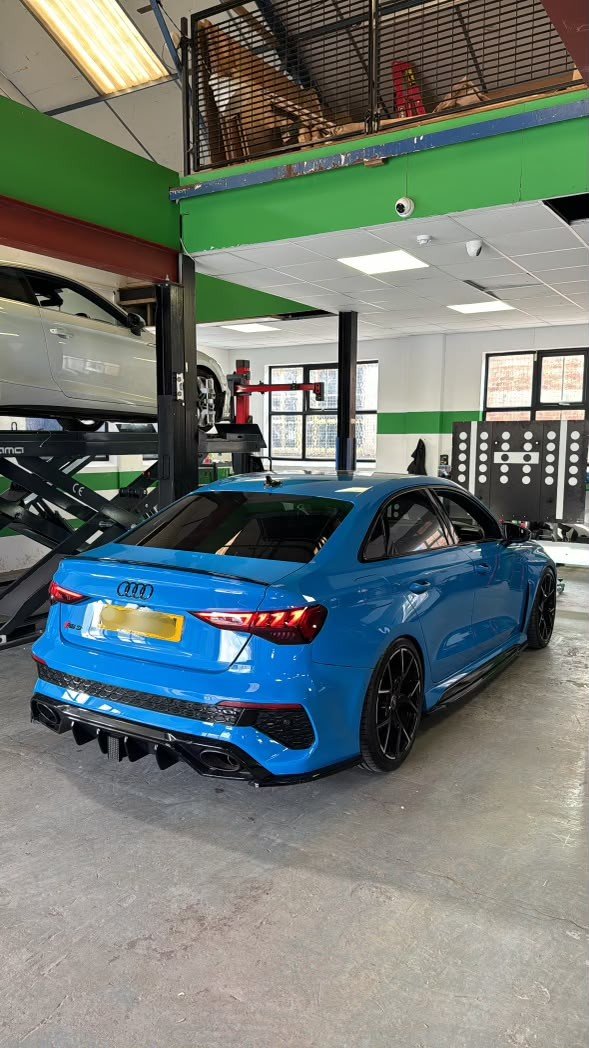
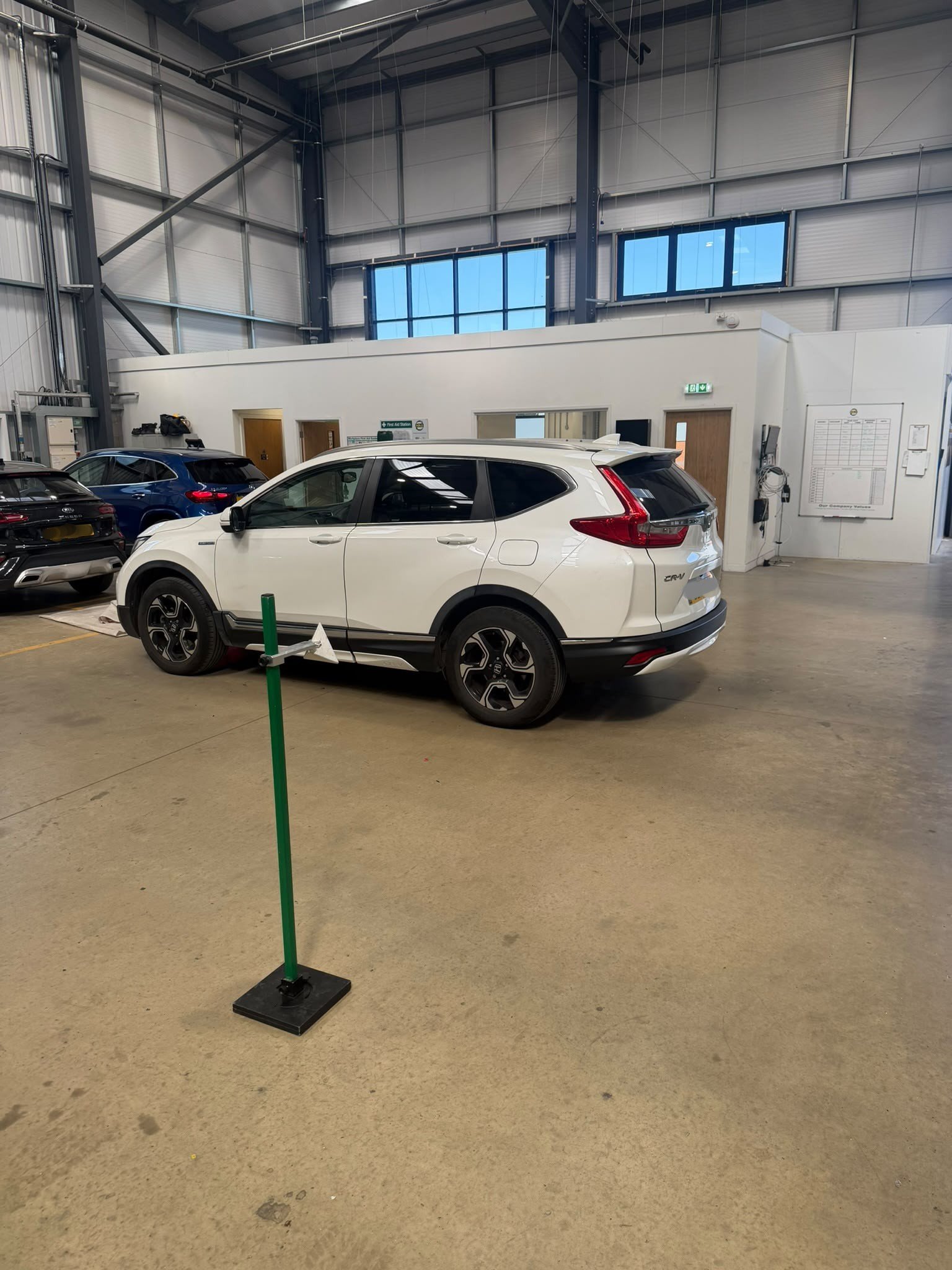
Lamborghinis, Ferraris, Porsches and everyday family cars, all set to the manufacturer’s spec. Every one of these is a paid job.
See the gallery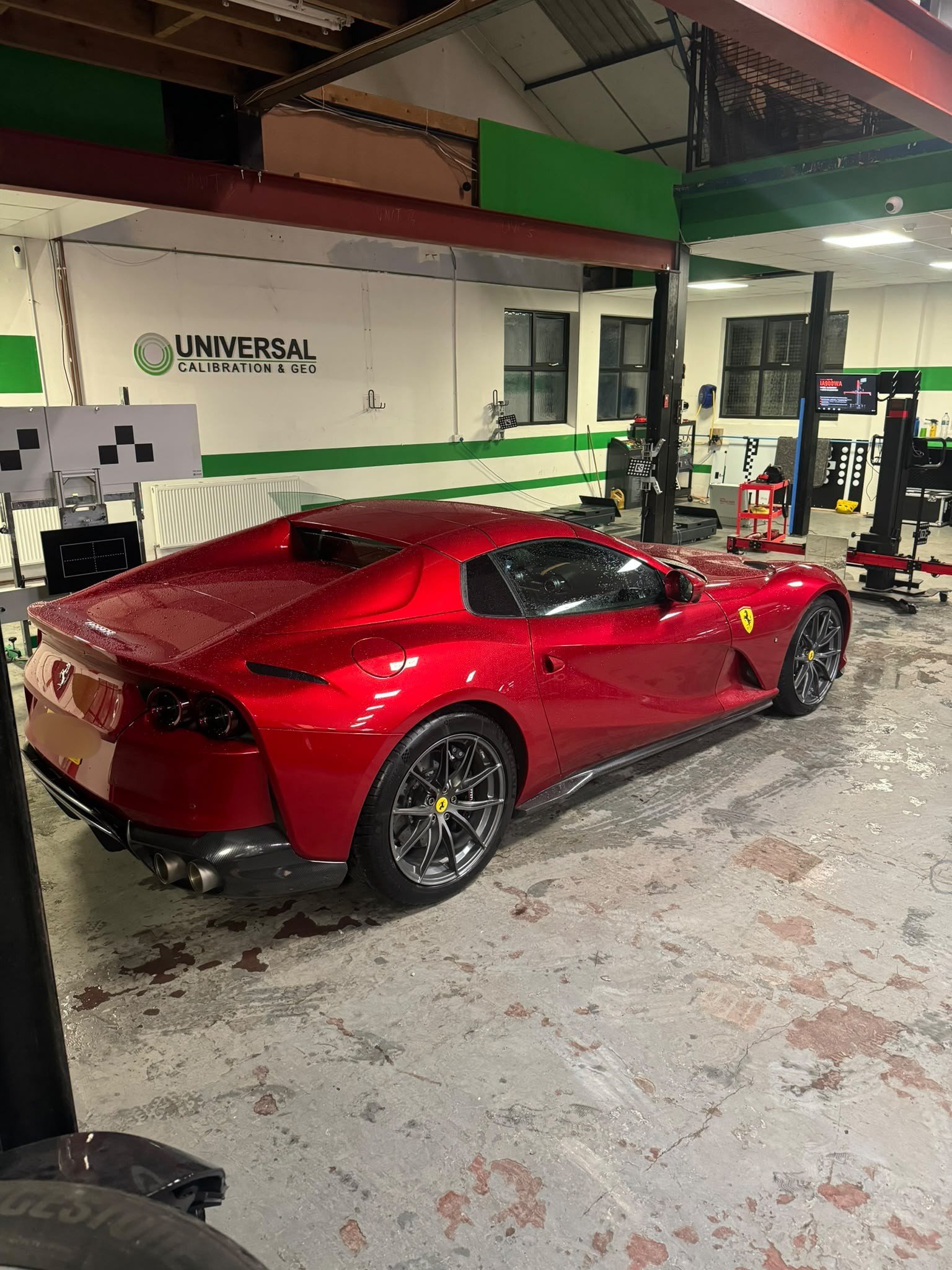
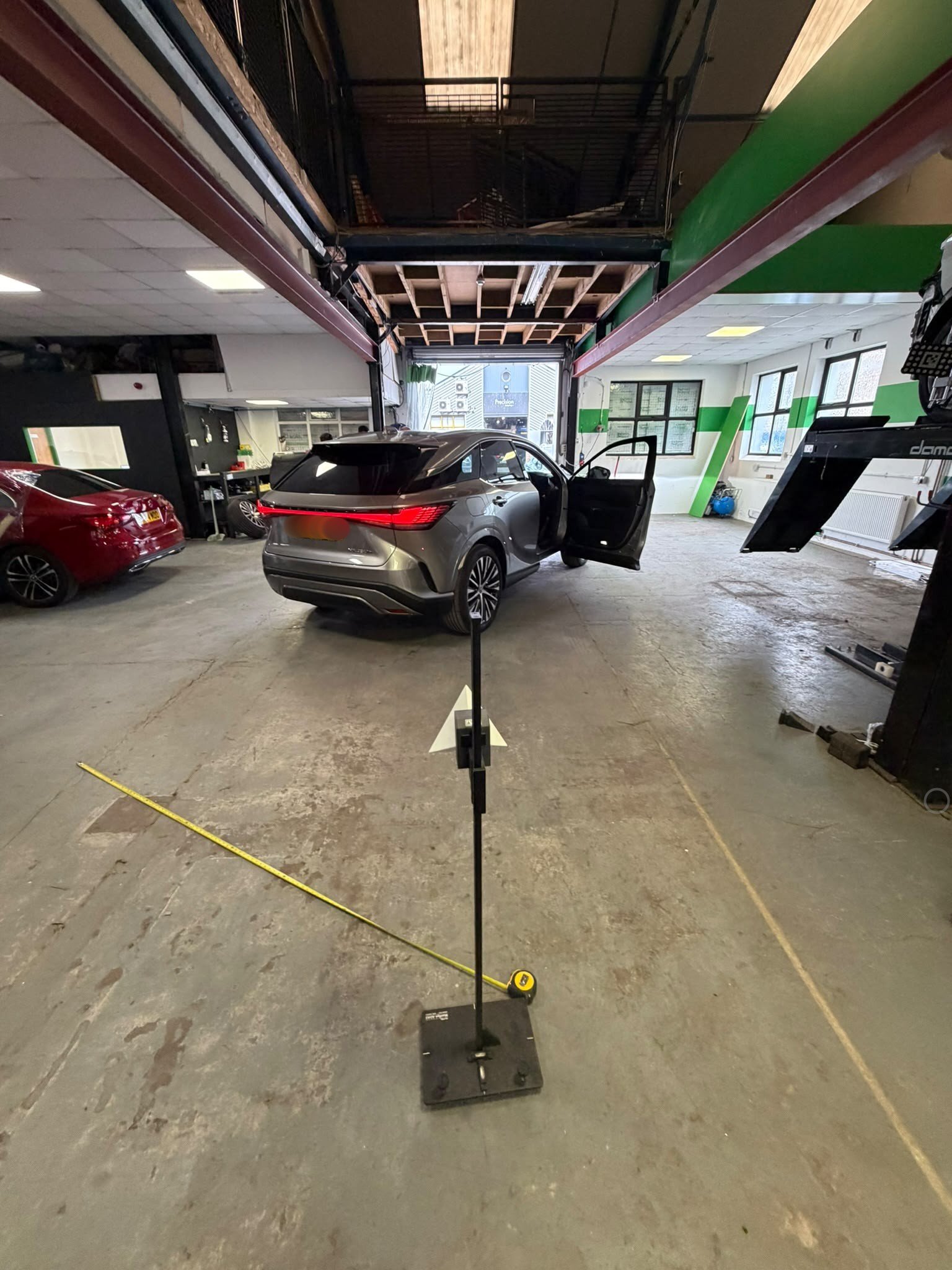
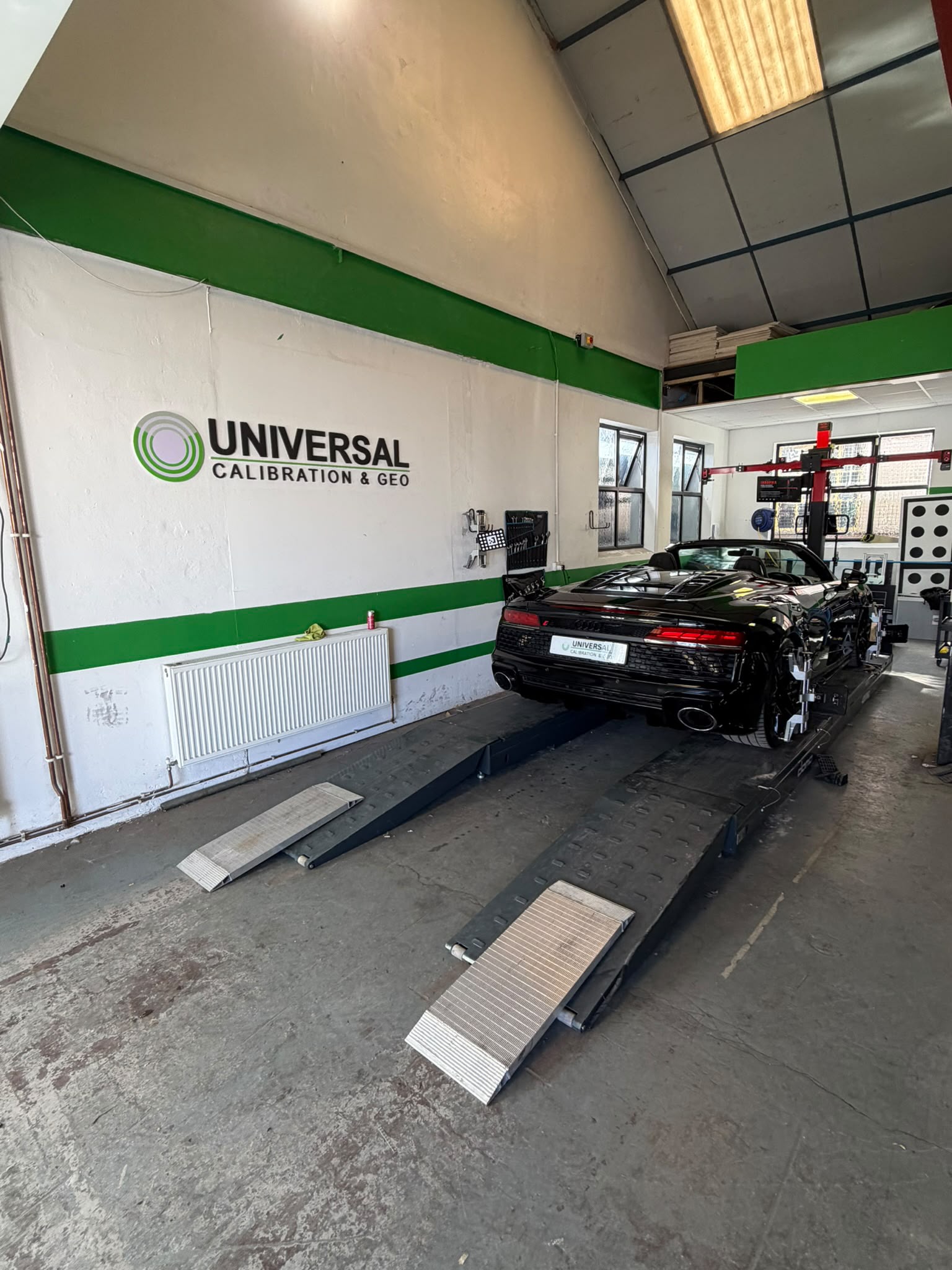
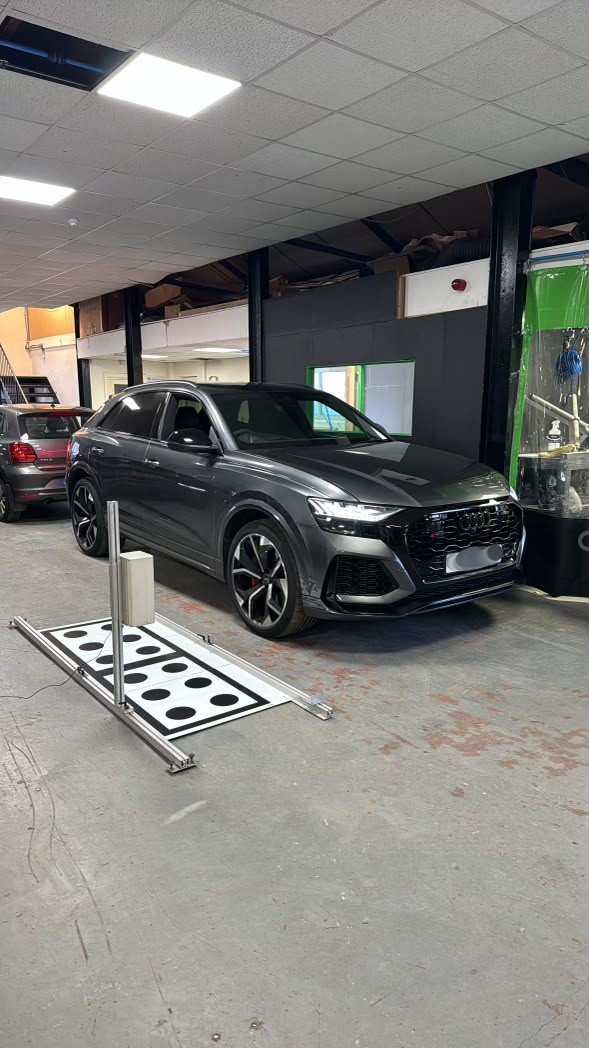
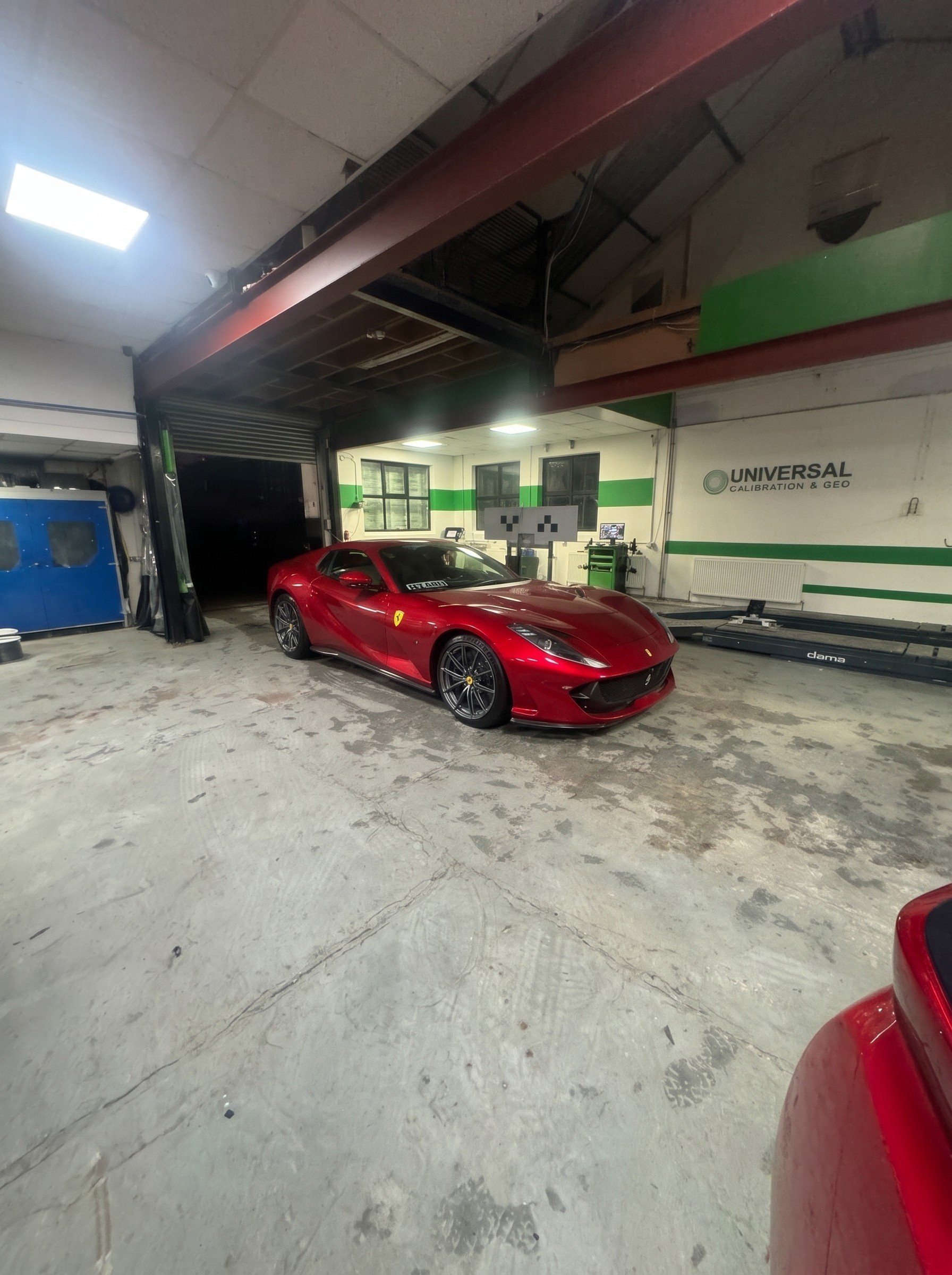
The next big thing in the trade
This is the next big thing in the trade. Cars get smarter every year, every one of them needs calibrating, and the people who can do it get paid well for it. Stop watching someone else earn from this skill. Invest in yourself, learn how we do it, and make serious money doing it.
Save my placeStop handing the calibration fee to someone else. Do it yourself and keep the money.
Stop turning paid work away. Add the skill your customers already need.
Become the person your shop can’t do without, and earn like it.
No experience? Bring the drive. We’ll bring the skill, and a trade that pays from day one.
The first group of the next generation is small on purpose. Join the waitlist and you’ll hear before anyone else when dates, venue and price are set. No spam, just your place.
No. What you need is the drive to learn and the belief that you can. Day one starts with how each camera and radar actually works, then builds step by step until you’re running full calibrations yourself. If you already work on cars you’ll move faster, but everyone leaves having done the work with their own hands, not just watched it.
Not for this, and that’s deliberate. Calibration is a hands-on skill: setting a target to the millimetre, reading what the scan tool is really telling you, knowing when a car isn’t ready to be calibrated. You can’t feel any of that through a screen. On the course you work on real cars, with real faults, next to technicians who do this every week, and you get corrected in the moment, which is how a skill sticks. Video can explain calibration; only a workshop can teach you to do it properly. That’s why our trainees finish confident enough to take on paying work.
Because the job is never as tidy as a textbook. A real car comes in with a new windscreen and a warning light, a ride height that’s off, or a sensor that won’t settle. Day two puts you in exactly those situations in a working workshop, so the first time you meet a tricky car isn’t in front of a paying customer. You learn the procedure, and you learn what to do when it doesn’t go to plan.
Two days. Day one is practical: the systems, the targets, the scan tools and the manufacturer procedures, done hands-on. Day two is real-life scenarios on real cars in the workshop, from first look to the finished report. Short enough to fit around your work, long enough to come out able to do the job.
You become an accredited UCG partner. It shows customers and garages you’ve been trained by people who calibrate cars across London every week, and it means you finish the course with a team behind you, not on your own. We’ll explain exactly what partnership includes before you book.
No. You train on ours, on real cars, so there’s nothing to buy before you start. You’ll also come away knowing what equipment you’d actually need to work for yourself, and what you can skip, so you don’t waste money on kit you won’t use.
Dates, venue and price go to the waitlist first. Join with your email and we’ll write to you as soon as they’re set. Places are kept to small groups so everyone gets time on every car.
Huge, and it’s growing every year. Every modern car has cameras and radars that need calibrating after the most ordinary jobs: a new windscreen, a bumper repair, suspension or alignment work. Every one of those ends in a calibration, and windscreen fitters, garages and bodyshops either do it themselves or pay someone who can. Right now there aren’t enough people who can. That’s the opportunity.
More than most people expect. Every calibration is a paid job, and the work comes from everywhere: drivers, windscreen fitters, garages and bodyshops. On the course we show you exactly how we price the work and win customers, so you can start earning straight away. Join the waitlist and we’ll talk you through the real numbers.
